


Highlights of the ABC Islands
Cruise Circle
Seeking an escape to warmer climes? The ABC Islands could be right up your street - here are some brief highlights to see if we can tempt you.
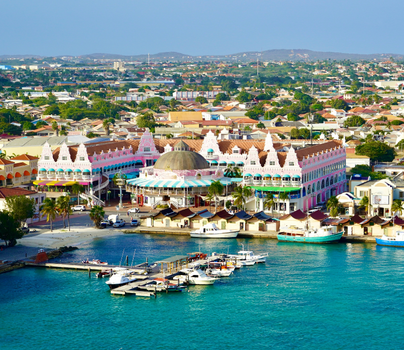
Aruba
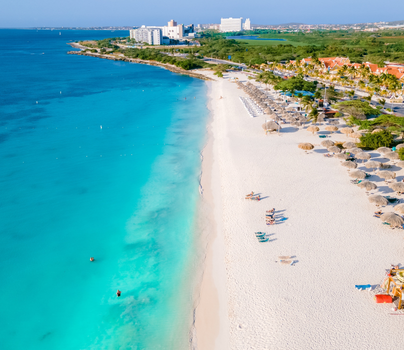
Beach highlight
Dotted with Fofoti trees (a mangrove species growing exclusively on the coastline), the sands of Eagle Beach are soft, white and powdery, quieter than many spots and with calm waters that are quite shallow near shore - perfect for bathers.
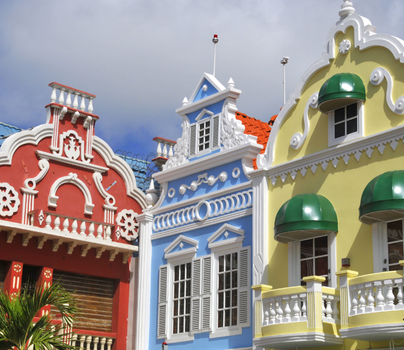
Activity highlight
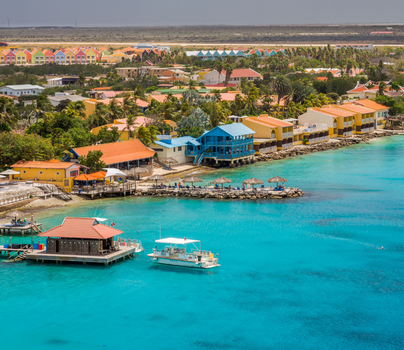
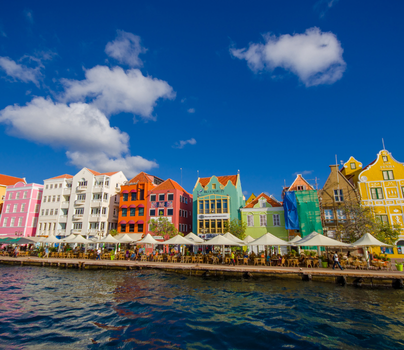
Have a wander round Oranjestad and take in the Dutch architectural influences, with classic facades incorporating features like stepped gables, but swapping muted European tones for bold Caribbean colours. Have your camera at the ready to take some striking pictures.
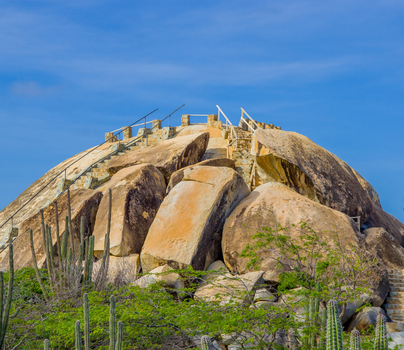
A fun fact for you...
Aruba's Casibari Rock Formation features massive volcanic diorite boulders rising out of the otherwise flat desert landscape. You can climb stone steps built into the rocks and see almost the entire island.
Bonaire
Beach highlight
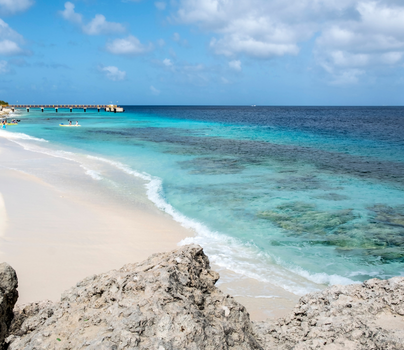
A relaxed beach, without big resorts of beach clubs nearby, Te Amo ('I love you' in Spanish) is one of the best easy-access snorkelling spots on the whole island, where you can walk in and immediately see coral and reef fish, without the need to go on a boat trip.
Activity highlight
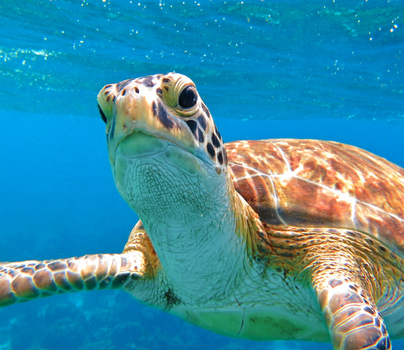
Bonaire's beautiful sea turtles are often spotted when snorkelling, with the reefs' proximity to land drawing them close in order to access the coral-rich sites and seagrass beds. As one of the island's most magical experiences they're rightly well-protected, but so long as you keep your distance, and don't pursue them you'll be fine. Going to the right beaches gives you a good chance of an encounter.
A fun fact for you...
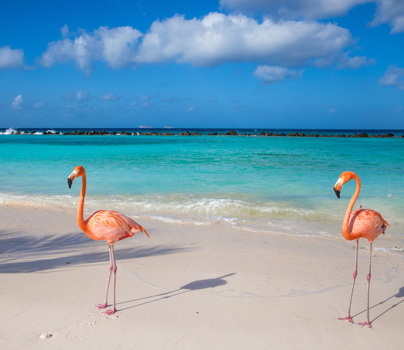
Bonaire is home to one of the largest flamingo populations in the Caribbean, which has flourished due to the combination of the island's salt flats and calm, warm waters with plentiful microscopic algae and shrimp. They're the island's unofficial mascot.
Curaçao
Beach highlight
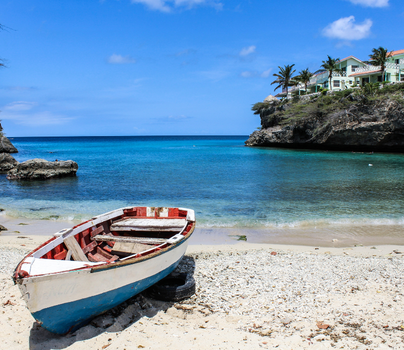
Playa Laguna is one of Curaçao’s most beloved little gems, with a natural lagoon shape, sitting inside a narrow bay with cliffs on both sides, keeping the water calm and clear. There's colourful reef fish with turtles often spotted, but water shoes are recommended (the entry is a little rocky).
Activity highlight
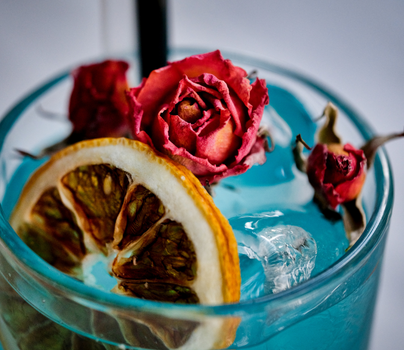
With its roots tracing back to the 1500s, Blue Caraçao's origins make for an interesting story - Spanish explorers tried to grow orange trees, but the climate was not ideal for the (typically) sweet, juicy fruit, producing a small, bitter alternative that no one wanted to eat. Dutch settlers later started experimenting with the aromatic peels, distilling them in alcohol to produce an early version of the drink we know today.
You can visit the island's distillery, experience the production process and have a taste yourself.

A fun fact for you...
Curaçao's salt flats (also called salt pans) are shallow coastal basins where seawater evaporates under the sun, leaving behind crystallized salt. Salt harvesting on Curaçao dates back to the 1600s, shortly after the Dutch took control of the island and was a valuable export, used for food preservation and trade throughout the Caribbean and Europe.